
Your Essential Winter & Holiday Interior Design Guide for Dubai Homes
A refined winter and holiday interior design guide for Dubai and UAE homes. Lighting, textures, hosting layouts, family-friendly storage & seasonal resets.
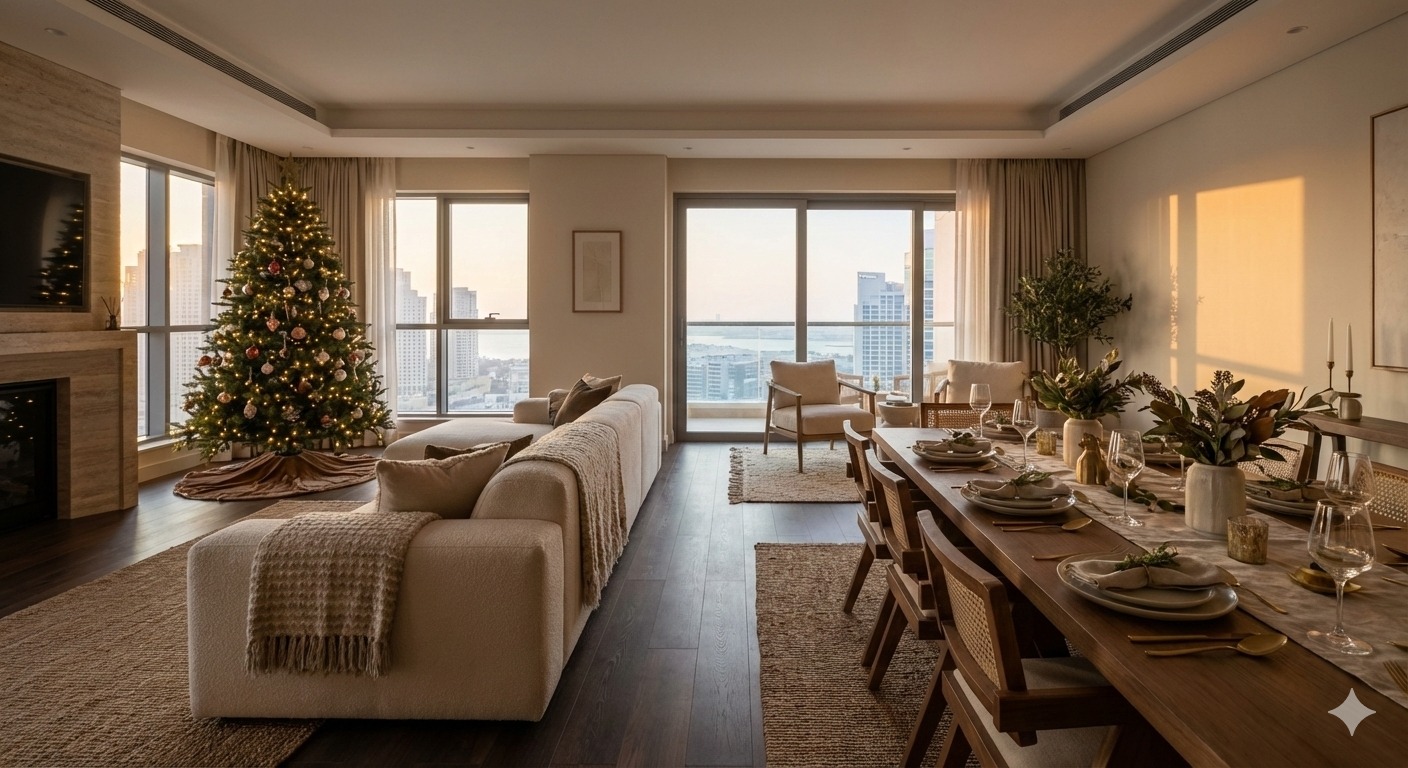
The winter season quietly alters how we occupy our homes. In Dubai and across the UAE, winter marks the most active social and hosting season of the year.
Daylight shortens, gatherings grow more frequent, and interiors shift from transitional spaces into places of warmth, retreat, and connection. Designing for the holidays is more than just ornamentation. It is about recalibrating the home to support how we live differently during this season: slower mornings, longer evenings, denser social energy, and a collective desire for comfort without visual excess.
Layering Textures for a Cozy Home in Dubai’s Winters
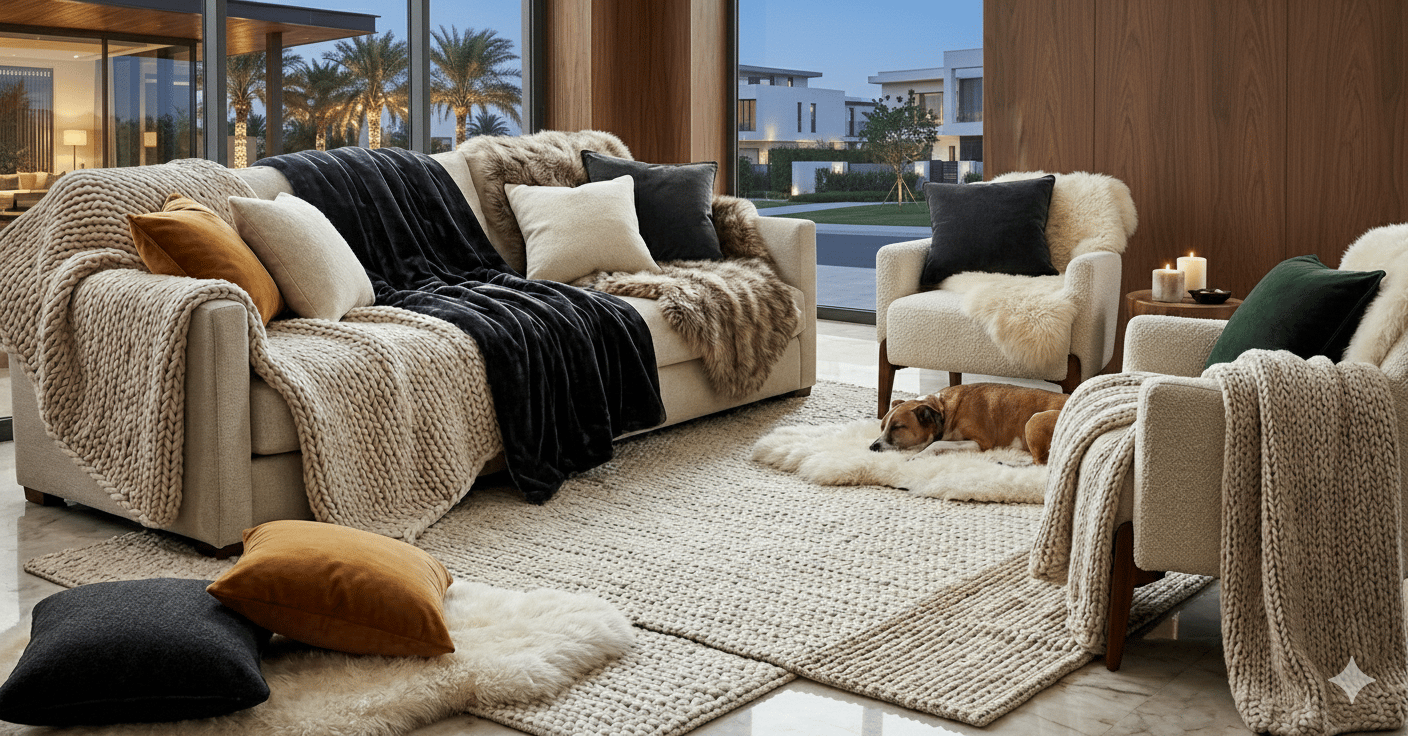
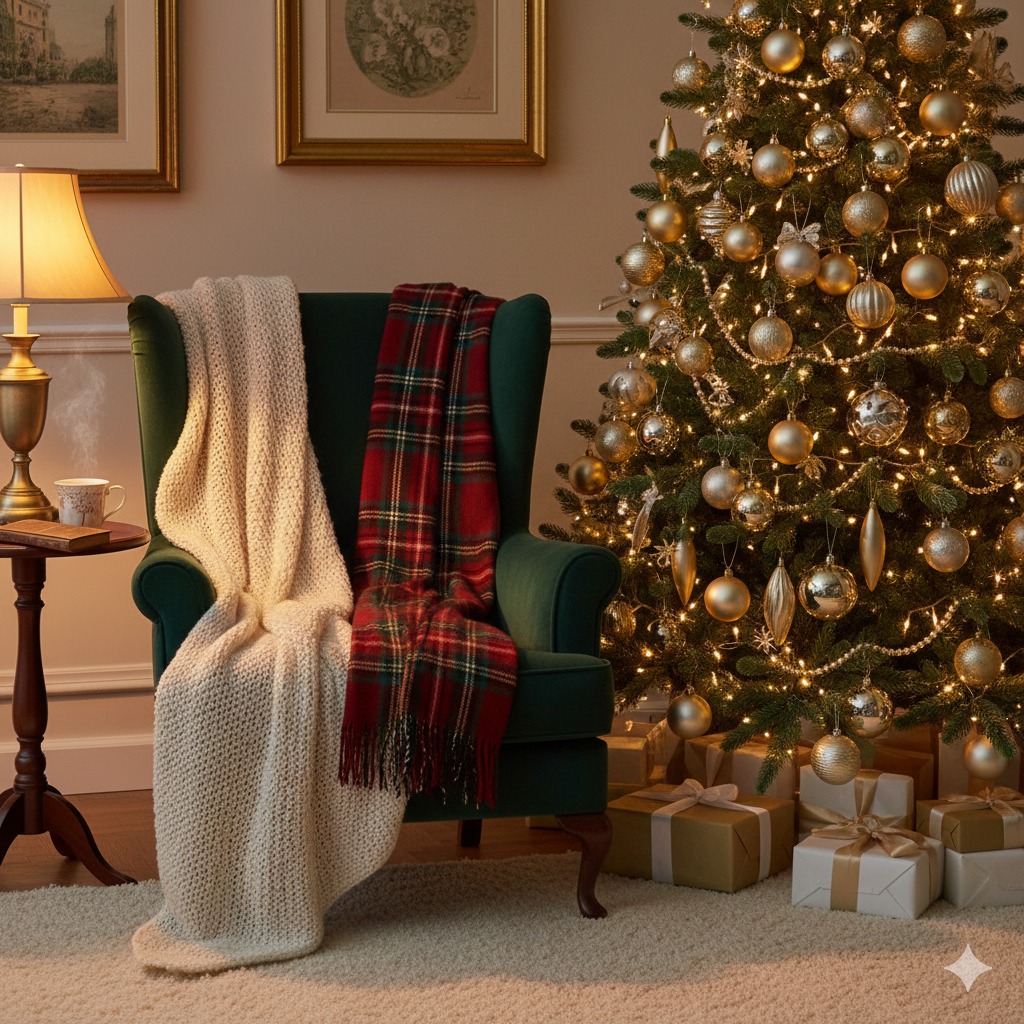
Winter and holidays are the perfect excuse to lean into warmth. Think beyond simple cushions or throws: layering rich, tactile materials like wool, velvet, faux fur, and chunky knits can instantly transform a living space into a cozy winter retreat. Soft throws over sofas or armchairs, plush pillows in seasonal colors, and even textured rugs can add depth and comfort. These textiles don’t only keep you warm, they evoke a sense of comfort and calm that carries from everyday winter nights into festive gatherings.
The beauty of these materials is that they are versatile: a velvet throw might be your cozy companion for quiet winter reading, and a faux-fur cushion can just as easily anchor a holiday-themed living room when friends come over.
Living rooms benefit from:
Deep-pile or handwoven rugs to soften acoustic levels
Upholstered accent seating that visually “absorbs” the space
Throws that introduce seasonal mass without colour overload
Bedrooms shift through:
Heavier drapery structures
Upholstered headboards with increased visual weight
Layered bedding systems rather than single statement duvets
Mood-Enhancing Options: Lighting & Scents
Seasonal Lighting for homes in the UAE
Winter exposes poor lighting. Daylight fades early, shadows deepen, and overhead lighting becomes unforgiving. Seasonal lighting must therefore operate as a spatial tool, not an accessory.
The most successful winter lighting strategies rely on layered luminosity:
Warm ambient wash from floor and wall lamps
Low, scattered points of glow at eye level
Soft reflective surfaces that gently multiply light
Lighting plays a key role in how a home feels, and during the colder, darker months, it can make or break the mood. Soft, warm-string lights, candlelight, or lamps with warm-toned bulbs create an inviting glow that feels serene and festive.
String lighting, when used architecturally along stair rails, within shelving, or framed through greenery creates rhythm instead of clutter.
Candle placement should never be random; it should be grouped with purpose at visual anchor points: console ends, dining centre lines, deep windowsills.
Olfactory Design
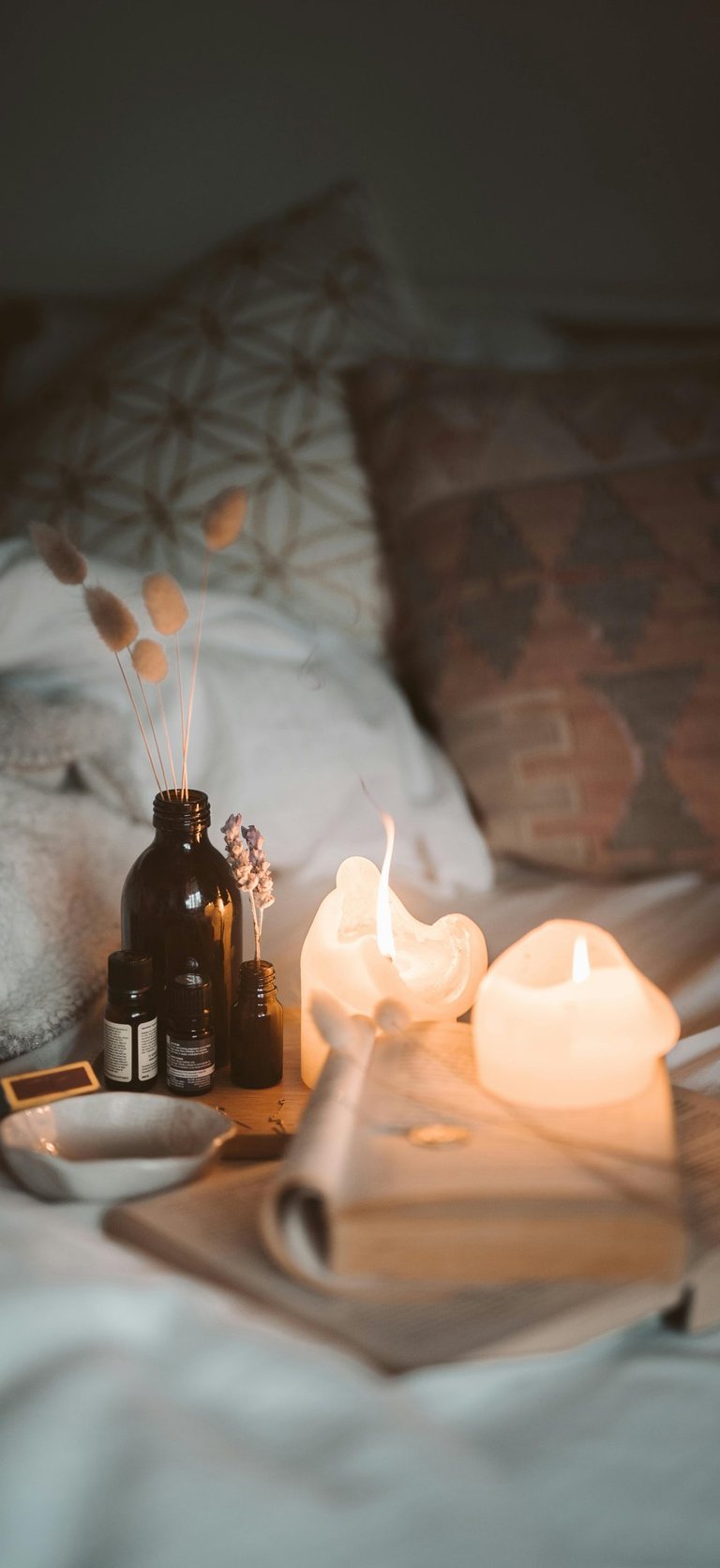
Complement the light with seasonal scents that subtly reinforce the mood you have already established visually using pine, cinnamon, vanilla, or other lightly spicy or woody fragrances. These aromas evoke the comfort of winter. Imagine guests walking in and immediately feeling enveloped in warmth and nostalgia.
In winter interiors, fragrance should never announce itself. It should sit quietly in the background, supporting warmth, comfort, and a sense of seasonal shift without becoming distracting.
Living & Gathering Spaces
Social zones can accommodate slightly warmer, more atmospheric scent profiles. Soft evergreen notes, gentle woods, or restrained spice work well here, as they echo the tactile richness and warm lighting typically introduced in winter. The objective is to enhance the feeling of welcome without overwhelming the space or competing with conversation.
Dining Areas
Fragrance in dining zones must remain highly controlled. Any introduced scent should be faint and neutral enough to avoid interfering with food and drink. In many cases, ambient scenting is best avoided altogether here, allowing the dining experience to remain undisturbed.
Bedrooms & Private Retreats
Sleeping and retreat spaces benefit from the lightest possible scent application. Clean, fabric-inspired notes, soft woods, or barely-there incense-like undertones help reinforce a sense of calm and order without stimulating the senses. These profiles support rest by keeping the atmosphere neutral and settled rather than expressive.
Across the home, scent should feel consistent in character, shifting only in intensity depending on function. When integrated with restraint, fragrance operates as a quiet atmospheric layer that works in harmony with lighting, texture, and spatial flow rather than competing with them.
Nature-Inspired decor for Dubai & UAE Homes
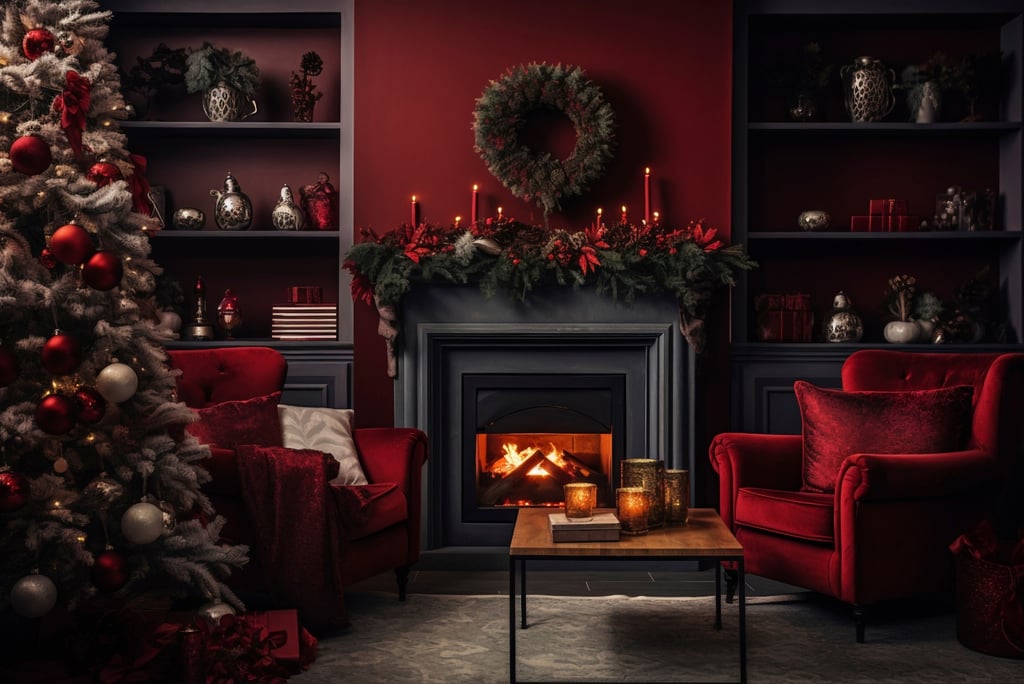
One of the most enduring and elegant approaches to holiday decor is to lean on nature. Incorporating seasonal flora such as evergreen branches, pinecones, holly sprigs, or even dried florals gives your interior a grounded, organic charm. Draped garlands, simple wreaths, or vases filled with natural elements create a subtle but unmistakable seasonal feel without holiday overload.
Natural elements perform three key functions:
Introduce organic irregularity into refined spaces
Add visual movement without colour overload
Reinforce the seasonal shift without overt theming
Wreaths become architectural when scaled correctly. Garlands become linear design tools when used along banisters, mantels, or shelving planes. The goal is to create measured repetition and rhythm.
Natural decor has the added benefit of minimalism and timelessness . It doesn’t rely on a heavy dose of glitter or forced holiday motifs. Instead, it offers a quiet, refined aesthetic that can easily carry through winter and into the new year.


The Art of Gathering
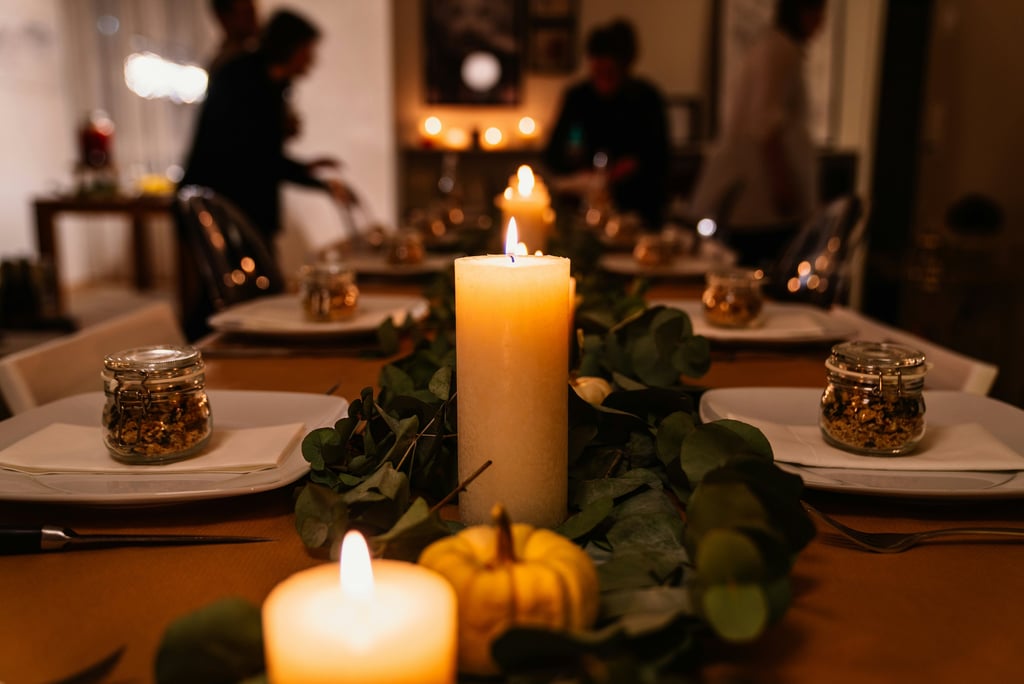
Winter holidays often mean gathering family and friends over for drinks, or cozy get-togethers. In Dubai, where homes often host larger mixed gatherings, as in Mr. Joseph's house in Al Barari, how you arrange your space can make a big difference. Dining areas, living rooms, and transition spaces must absorb more bodies, movement, and interaction without becoming constricted. Consider ergonomic dining layouts: a well-thought-out table setup with a clear flow, comfortable seating, and a sense of balance can make guests feel at ease.
Successful seasonal hosting relies on:
Minimum circulation clearance around tables
Clear service access from kitchen to dining
Seating Flow for Groups
A single sofa never carries a gathering well. Winter seating works best when:
Distributed in conversational clusters
Anchored by shared surfaces (coffee tables, side tables)
Balanced between structured and flexible seating types
Ottomans, benches, and low lounge seating allow reconfiguration without visual disruption.
Statement Centrepieces
Seasonal centerpieces perform as visual anchors, perhaps a natural arrangement of pine and candles, or a low-profile garland running down the table adds festive elegance without clutter.
Whether botanical, sculptural, or candle-based, they should:
Sit low in visual profile
Reflect the tonal palette of the interior
Reinforce symmetry or controlled asymmetry, never chaos
Designing for Children During the Holiday Season
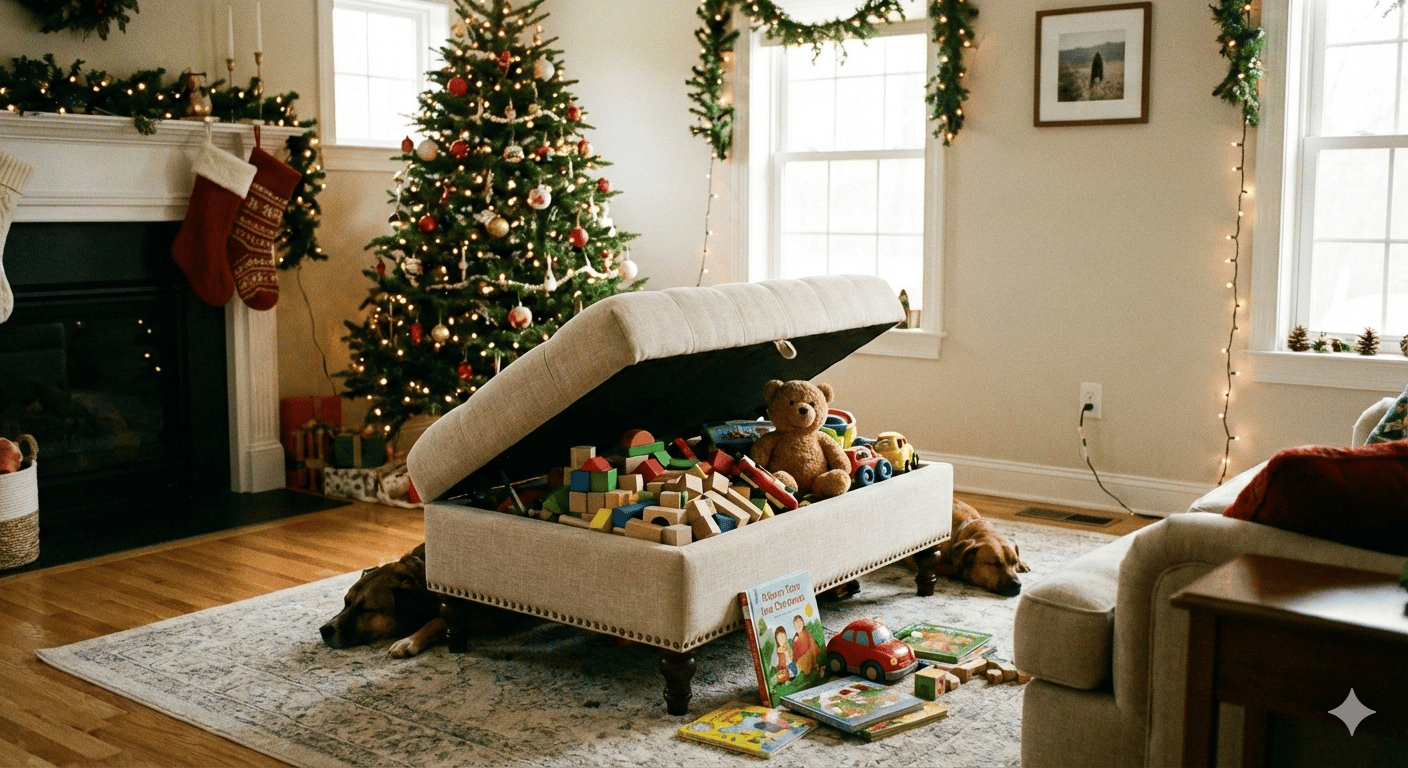
During the holidays, living rooms often double up as play zones and without planning, this can quickly lead to visual chaos. A winter-ready family home anticipates this shift by integrating concealed, flexible storage and child-friendly furniture without compromising the overall aesthetic.
1. Concealed & Flexible Storage
Ottomans with internal compartments for toys, crafts, and games
Low, upholstered benches that double as casual seating and accessible storage
Neutral, open baskets styled into the living space without reading as “toy storage”
2. Soft-Edged, Family-Safe Furniture
Rounded coffee tables and side tables
Layered rugs that cushion play areas and soften acoustics
Upholstered pieces that visually absorb the space
3. Adaptive Layouts for Shared Living
Zones that allow children to play near adults without fragmenting the room
Furniture arrangements that accommodate movement, activity, and quick resets
Surfaces that can transition from play to hosting with minimal effort
The objective is not to separate children from social spaces, but to design shared areas that absorb both activity and order with equal ease.
When planned intentionally, child-friendly design during the holidays does not dilute the interior. It reinforces its functionality.
Creating Intimate Retreats Within the Home
As much as the holidays are about gathering, winter is also a time for slowing down, reflecting, and nesting. The colder months naturally push people inward both mentally and spatially. Dubai homes benefit from deliberately carving out pause spaces within open layouts.
These retreats are shaped through:
Reduced lighting contrast
Increased textural softness
Visual enclosure without full separation
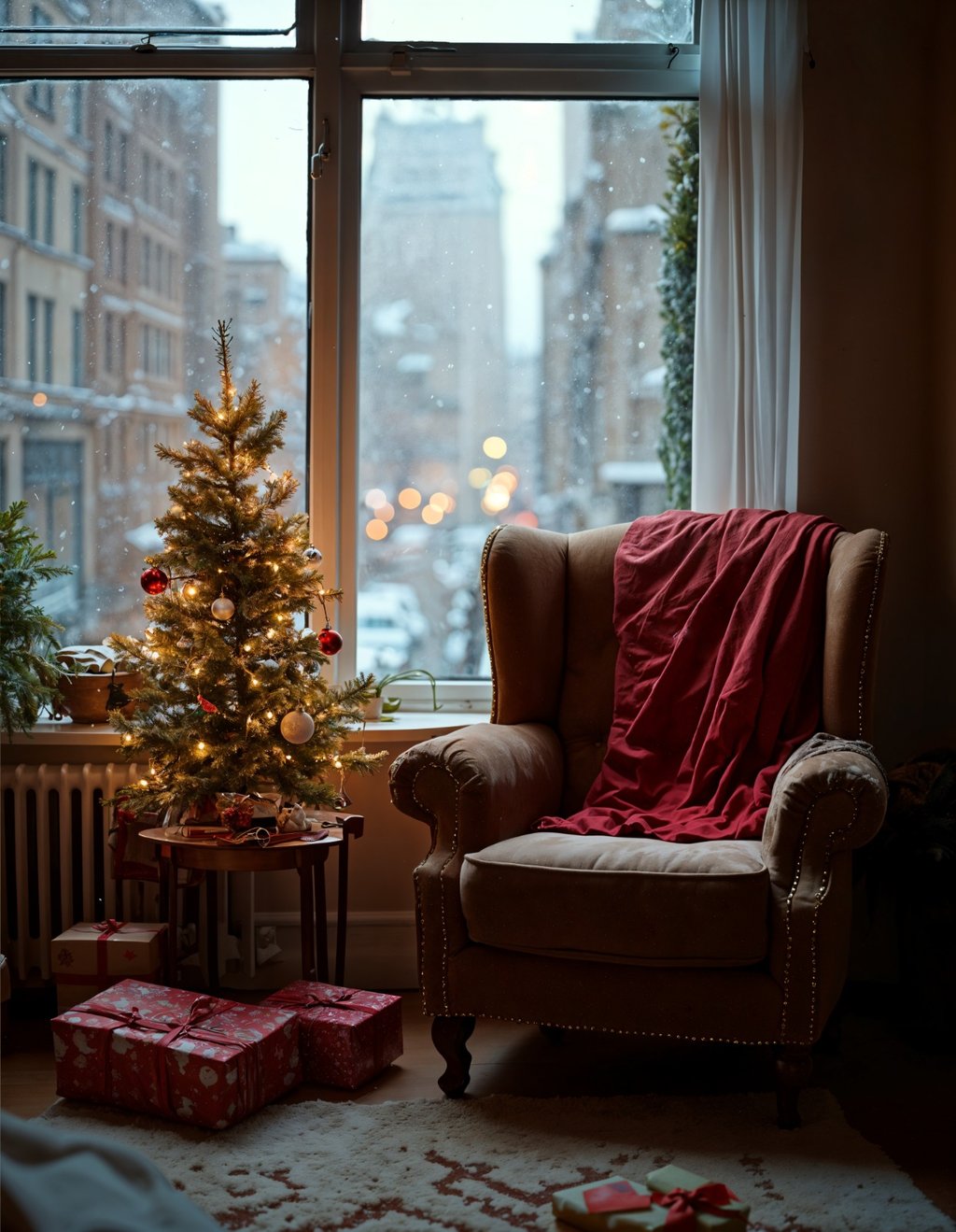
Having small, intimate retreats in your home such as a reading nook by the window, a softly lit corner with a plush throw, or a comfortable bench by the fireplace offers a refuge from the bustle.
Soft gradients of light, layered textures, and minimal clutter help create these “slow-living” spaces.
Decluttering & Spatial Reset
The final and most overlooked aspect of holiday-ready interiors is spatial recalibration. Before layers are added, excess must be removed. Winter amplifies visual weight and clutter feels heavier, darker, and more overwhelming under low light. Ensuring furniture and décor don’t overwhelm the rooms lets the quiet parts of the home breathe. Such spaces become especially important during holiday downtime, or when you simply want to reset, recharge, and ease into the new year.
A seasonal reset focuses on:
Clearing horizontal surfaces
Rebalancing furniture density
Opening circulation paths
Re-establishing focal axes within rooms . This simply means restoring the main visual focus of a room by correcting furniture and object placement. Over time, casual rearrangements and added pieces often block or dilute what the space was originally designed to highlight.
For example:
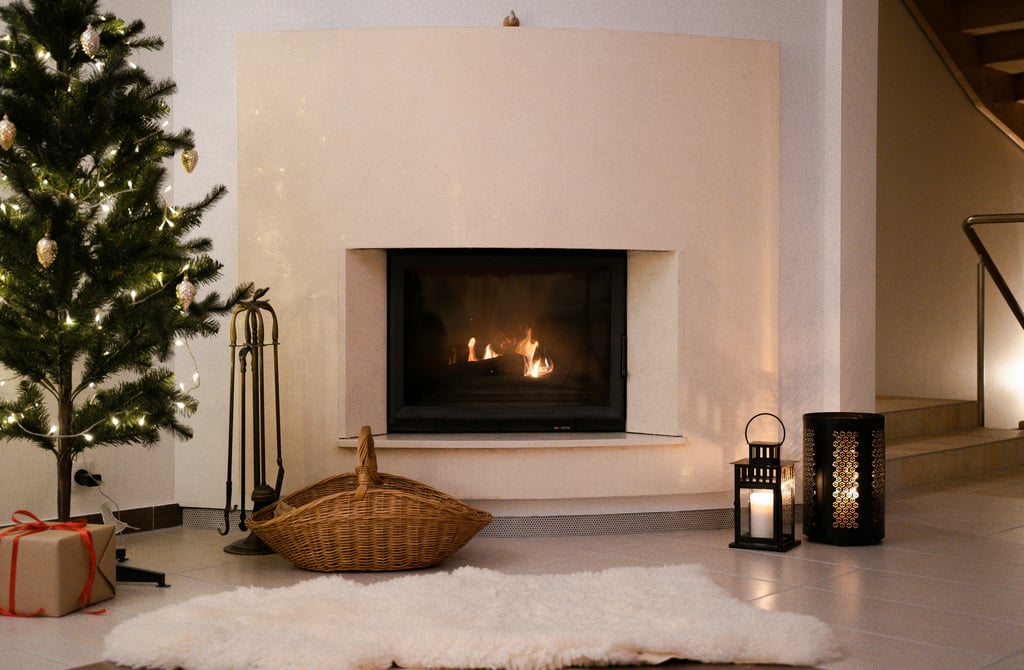
A sofa slowly shifting to block the view of a fireplace or feature wall can be pulled back and realigned to restore that focal point.
A console overloaded with decor in front of a window can be cleared to reopen the visual axis toward natural light.
The result is a room that feels clear, intentional, and visually calm again.
This reset reshapes how the home is inhabited during the most interior-focused season of the year. It also sets the foundation for entering the new year with clarity rather than carryover chaos
Closing Thoughts
Winter design is about how interior spaces hold people when the world outside slows down, especially in Dubai’s seasonal transition into its most social time of the year.
A holiday-ready home does not announce itself through symbols. It reveals itself through warmth, spatial generosity, sensory calm, and material depth. When designed with intention, winter interiors transition effortlessly from slow, reflective mornings to lively evenings of hosting.
-----------------------------------
At Moori our commitment is to deliver designs that meet and exceed your expectations.
Curious to learn more? We encourage you to engage with our expert designers through a complimentary consultation at moori.ae/complimentary-consultation.
Let's begin the journey of transforming your space into a masterpiece.
Address:
Office No: 304 , Building A1
Emirates Sports Hotel Apartments
Opposite Fit Republik, Sports City
Dubai, United Arab Emirates
Contact:
+971 553532729
sooraj@moori.ae
Let's create an array of immersive experiences together!